


V-Coptr Falcon: 4K Bi-Copter and 3-Axis Gimbal Guide
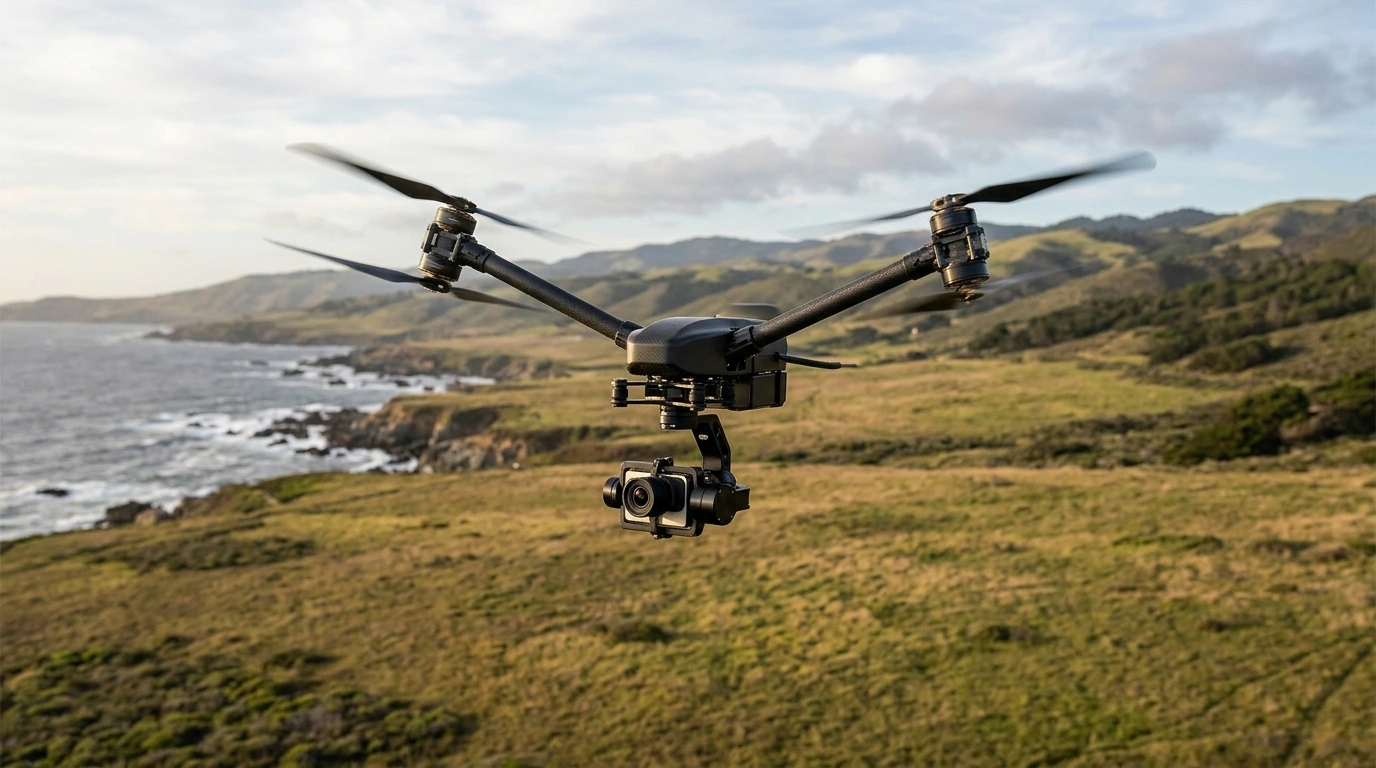
The V-Coptr Falcon takes a different route to aerial filming with a V-shaped, two-rotor design. Its 4K camera and 3-axis gimbal put video at the center of the experience, making it an option to consider if you want a dedicated aerial camera rather than a casual flying toy.
At $1,935.49, the Falcon is a significant purchase. Our team recommends looking beyond its distinctive shape and considering how you plan to fly, what you want to film, and whether the operating details fit your experience and budget.
A Different Approach to Aerial Filming
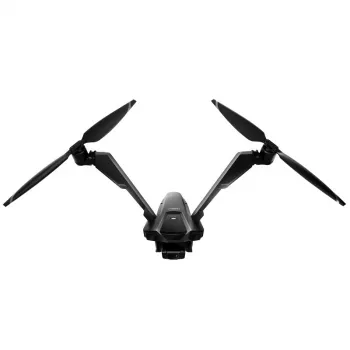
Many camera drones use four rotors, but the Falcon is a bi-copter: its aircraft design uses two rotors arranged in a V-shaped layout. That makes it a visually distinct alternative to the familiar quadcopter. The different configuration is worth noting, although the shape alone does not tell you how the aircraft will handle every flying condition.
The more practical question is what you want from your footage. The Falcon combines a 4K camera with a 3-axis gimbal, giving you a camera setup intended for aerial video. If you want to capture a landscape, follow a planned route through an open area, or gather footage for an editing project, those features are a useful starting point for comparing your options.
You can explore the V-Coptr Falcon V-Shaped Bi-Copter in our store for purchase details.
What the Camera and Gimbal Bring to a Flight
In video, 4K refers to resolution: the number of pixels used to form the image. It can provide detailed footage for viewing or editing, particularly when you have a clear subject and favorable light. Resolution is only one part of image quality, though; lighting, camera movement, and the way you frame a scene also matter.
The 3-axis gimbal helps stabilize camera movement across three axes as the aircraft flies. That can make footage steadier than footage captured without stabilization, but it does not guarantee perfectly smooth video. Wind, abrupt controls, and other flight conditions can still affect your results.
Before taking off, decide what you want the shot to show. Consider where the light is coming from, how your subject may move, and whether you have enough safe space to maneuver. A simple, slow movement can be easier to control than an ambitious sequence involving several changes of direction.
V-Coptr Falcon at a Glance
| Feature | What to know |
|---|---|
| Aircraft design | V-shaped bi-copter |
| Camera | 4K video |
| Gimbal | 3-axis stabilization |
| Listed price | $1,935.49 USD |
| Availability | In stock |
Pricing and availability can change, so review the product page for the current details before placing an order.
Is the Falcon Right for Your Plans?
A dedicated aerial camera makes the most sense when you have a clear use for the perspective it offers. Consider how often you expect to film, whether you have suitable places to fly, and how the purchase fits alongside any other equipment you need. If you only expect to make an occasional short clip, the investment may deserve extra consideration.
Before ordering, review the product page for flight time, range, controller compatibility, and included accessories. Those details affect how you plan a session and what you may need to purchase separately. Leave room in your budget for any necessary accessories rather than focusing on the aircraft price alone.
Your experience matters, too. If you are new to drones, allow time to learn the controls before trying to capture complex footage. Experienced pilots should still consider the aircraft’s operating instructions and any differences from equipment they already use.
Prepare for a Safe First Flight
Start by reading the operating instructions and checking the aircraft and its equipment before takeoff. Choose a suitable open area with room to practice, away from people and obstacles. Make sure you understand the controls and can maintain visual contact with the aircraft.
Check the rules that apply to your flight and location before you go. The FAA’s guidance for recreational flyers explains requirements for eligible recreational operations, while its airspace guidance can help you assess where flying is permitted. Rules and permissions can depend on how and where you fly.
Practice basic takeoff, positioning, and landing before adding demanding camera movements. Once you are comfortable, try a short, deliberate shot and review the result. That approach gives you a chance to improve your framing without dividing your attention between too many tasks at once.
Explore the V-Coptr Falcon
The Falcon brings together a V-shaped bi-copter design, a 4K camera, and a 3-axis gimbal for shoppers interested in aerial footage. Visit its product page for current pricing, availability, and purchase details, and take time to confirm that its operating specifications match your plans.
If you are also shopping for your home, our Advanced HEPA & Activated-Carbon Air Purifier is another in-stock option. It serves a different purpose from the Falcon, so consider it separately based on your indoor air needs.
FAQ
What kind of camera does the V-Coptr Falcon have?
The V-Coptr Falcon has a 4K camera paired with a 3-axis gimbal.
What does the 3-axis gimbal do?
It helps stabilize camera movement across three axes for steadier footage. Results depend on flight conditions and how you operate the aircraft.
Where can I fly the V-Coptr Falcon?
Choose a suitable location after checking applicable aviation rules and airspace restrictions. Requirements can vary depending on where and how you fly.
Recommended for you
Write Smarter With AI: An Ethical Writing Guide
Nov 3, 2026












Leave a comment